Hedge Trimming in Gipsy Hill

Hedge trimming in Gipsy Hill should leave borders tidy, growth balanced and the overall shape suited to the garden rather than forcing every hedge into the same finish. Our hedge trimming service focuses on controlled cutting, careful shaping and a clean final result for front gardens, rear plots, boundary hedges and screened planting. Whether the hedge needs a light seasonal cut-back or a more considered reshape, the work is planned around the plant, the setting and the finish you want.
We work with hedges that need routine maintenance as well as those that have grown unevenly, become too wide, or started to block light and access. A well-trimmed hedge does more than look neat: it can help maintain clear lines along paths, preserve a boundary’s purpose and support healthier, denser growth over time. If you want to improve the appearance of your garden without changing its character, hedge trimming is often the right starting point.
The service is suitable for a range of hedge types commonly found in domestic gardens, from compact evergreen borders to taller privacy hedges that need careful attention to height and sides. We also consider how the hedge sits alongside fences, walls, gates and planting beds, so the finish feels deliberate rather than overcut. If you are looking for a quotation, get in touch with the details of the hedge and the result you want.
Routine Hedge Maintenance
Regular hedge maintenance is the easiest way to keep shape under control and prevent small corrections turning into a major reduction later on. Our trimming work can support a steady schedule for hedges that are meant to stay crisp, dense and manageable. That may include face trimming, height control, width reduction and tidying the top line so the hedge keeps a consistent profile through the season.
Maintenance work is especially useful where hedges frame driveways, paths or front boundaries, because even modest growth can quickly affect light, movement and the sense of order in the garden. We can trim with the existing form in mind, preserving softer curves where appropriate or sharpening the edges where a formal look is preferred. Our services overview gives a simple starting point if you want to understand how hedge trimming sits alongside related outdoor work.
What a routine trim can involve

A routine visit is often about precision rather than heavy reduction. Depending on the hedge, the work may include cutting back new growth, aligning the sides, levelling the top and removing stray shoots that make the hedge look untidy. In many cases, the aim is to maintain a shape that already works well, so the intervention is measured and the hedge does not appear abruptly changed.
Shaping Overgrown and Uneven Hedges
Some hedges need more than maintenance because they have become lopsided, too wide at the base, or generally untidy after missed cuts. In those cases, the task is to restore proportion while keeping the hedge healthy and visually coherent. That can involve a gradual reduction, selective reshaping or a more careful cut to bring the lines back under control without stripping away too much growth at once.
Overgrown hedges often hide the true outline of a garden, absorb path width and make boundary planting feel heavier than intended. The right trim can restore structure and help the rest of the garden read clearly again. If you would like a wider view of what can be done across your outdoor space, garden maintenance can complement hedge work where several tasks need coordinating across the same property.
When reshaping needs a careful approach
Not every hedge responds well to a dramatic cut, and some species are better reduced in stages. A careful approach takes account of how dense the hedge is, how much live growth remains and whether a more formal or relaxed shape is suitable. This is one reason hedge trimming is not just about appearance: it is also about keeping the plant fit for future maintenance.
Boundary Hedges, Privacy and Light

Boundary hedges often need a balance between screening and openness. Too much reduction can leave a garden exposed, while too little attention allows the hedge to dominate paths, patios and views. Our trimming service can help maintain the line of a boundary hedge so it continues to serve its purpose cleanly, with a finish that looks deliberate from both sides where access allows.
Light is another important consideration. Hedges can cast shade over lawns, beds and neighbouring planting, and a managed trim can improve conditions without removing the hedge’s value as a screen. For some customers, the main aim is a tidy, even height; for others, the goal is to narrow the hedge so the garden feels more open. Landscaping may be relevant where hedge work is part of a broader reshaping of the garden layout.
When hedges sit close to gates, paving or boundary structures, trimming also helps keep the space practical. A hedge that presses into a walkway or reaches too far over a boundary line can make everyday use awkward. Careful cutting restores the usable edge of the garden while keeping the hedge healthy and attractive. Practical hedge care is often about these small improvements that make the whole space easier to live with.
Hedge Trimming and Garden Presentation
Many gardens rely on hedges as a visual frame, so the quality of the cut has a direct effect on the whole setting. A hedge with neat sides and an even crown can make borders, lawns and planted areas look more considered. This is especially true where the hedge forms the first impression from the street, because the finish helps define how tidy and maintained the property appears.
We trim with the surrounding planting in mind, particularly where the hedge borders seasonal beds, specimen shrubs or climbing plants. The cut should complement those features rather than compete with them. If your garden includes more than one outdoor element that needs attention, landscape gardening may offer useful context for larger changes, while hedge trimming remains the focused task of shaping and maintaining living boundaries.
- Formal hedges usually need straighter lines and more frequent light cuts.
- Informal hedges may suit softer shaping with a less rigid outline.
- Mixed-height gardens often benefit from consistent hedge profiles that guide the eye.
- Newer hedges may need gentler trimming so growth stays compact and even.
Choosing the right finish is part of the service. Some hedges look best when they are kept sharply defined, while others suit a more natural edge that still feels maintained. We can help you decide how far to go, especially if you want the hedge to look tidy without appearing overly clipped.
Access, Preparation and Quotation Details

Before hedge trimming begins, it helps to think about access and the practical setup around the hedge. Clear access makes it easier to work evenly along the full length, and it also supports a cleaner finish where the hedge meets paths, fences, sheds or drive edges. If there are awkward corners, narrow runs or sections behind other planting, those details are worth mentioning when you ask for a quotation.
Photos and a short description are often enough to start a conversation about the work, especially if you want to explain whether the hedge needs a light tidy, a full shape correction or a reduction in height or width. It is also useful to note whether there are areas that need a more delicate finish, such as around flowering plants or young shoots. Pricing and quotes can provide a useful next step when you are ready to compare the scope of work and the practical details.
If you are arranging hedge trimming alongside other garden tasks, it can help to group the information together so the work is planned sensibly. One clear request is often easier to price than several separate messages, and it helps us understand the hedge length, approximate height, general condition and preferred result. For a straightforward enquiry, simply tell us what needs trimming and where the hedge is located in the garden.
Seasonal Growth and Suitable Timing
Hedge trimming can be carried out at different points in the year depending on the type of hedge, the desired shape and the amount of fresh growth. Some hedges benefit from regular light trims that keep the outline sharp, while others need fewer interventions and a more measured approach. Timing matters because the aim is not only to improve appearance but also to avoid cutting in a way that leaves the hedge sparse or uneven.
A sensible trimming schedule keeps the hedge manageable and can reduce the need for more disruptive work later on. It also makes it easier to preserve neat edges during faster growing periods. Where hedge work is part of a wider seasonal tidy-up, garden clearance may be useful for the separate removal of unwanted materials, while trimming focuses on the living structure itself.
Different hedges also behave differently after cutting, so the method should suit the plant rather than rely on a single pattern. Some respond well to repeated clipping, while others need space to recover between cuts. That is why hedge trimming is best treated as a considered garden task: the shape, density and growth habit all affect how the hedge should be managed over time.
Related Garden Work Around Hedges
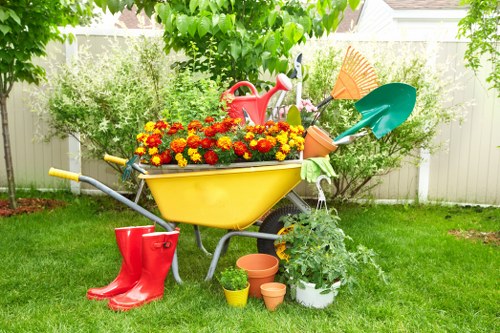
Hedges rarely exist in isolation. They sit alongside lawns, beds, trees, fences and paved areas, which means the trimming work often interacts with the rest of the garden. When the hedge is tidy, nearby features become easier to see and maintain. When it is overgrown, it can hide problems, restrict movement or make other tasks feel more complicated than they need to be.
If the hedge is part of a larger outdoor improvement plan, related services can be helpful where the garden needs more than one kind of attention. For example, lawn mowing may help bring the rest of the garden back into balance after hedge work, while a broader trim and tidy can give the whole space a more settled appearance. The point is to match the work to the garden, not to overdo it.
We can also consider how hedge trimming fits with nearby trees, fencing and hard landscaping so the result feels coherent. Where branches, lines and boundaries all meet in a small area, careful shaping keeps the space functional and avoids unnecessary disturbance. If you are ready to discuss the scope, request a quotation and tell us what needs cutting back.
About Gipsy Hill
Gipsy Hill is a district in south London associated with the hill of the same name, which rises between Crystal Palace and West Norwood. The area takes its character from a mix of residential streets, local roads and green spaces on and around the ridge. Its position gives it wide connections across neighbouring parts of Lambeth and the bordering districts around Crystal Palace, while the higher ground has long shaped how the area is experienced on foot. The name itself is historically older than many of the surrounding housing patterns, and the locality developed over time as London expanded southwards. Today, the area is known for a largely suburban feel, with terraces, converted properties and quieter roads set close to busier routes. Nearby public spaces help define the neighbourhood’s appeal, including the wider Crystal Palace Park area, which sits within the orbit of local leisure and walking routes. The rail station also contributes to the district’s recognisable identity, linking the hill to central London and adjoining parts of south-east London. As with many London districts on elevated ground, the street pattern reflects changes in development across different periods, with older buildings sitting alongside later infill. The result is a place with a settled residential atmosphere rather than a single uniform character, and that variety is part of what gives Gipsy Hill its distinct sense of place.
Hedge Trimming for Different Garden Styles
Not every garden needs the same hedge finish. A neat front boundary may call for a crisp, architectural line, while a larger rear garden may suit a softer form that still keeps the growth under control. We adapt the cut to the setting so the hedge looks intended rather than forced. That matters when hedges sit within a wider mix of planting styles, because the wrong finish can make the garden feel less balanced.
There are also practical choices to make about height and width. Height reduction can restore light and improve proportion, but it should be done with an eye on the hedge’s future shape. Width trimming can make paths and beds feel more generous, yet it should not leave the hedge flat or thin. If you are weighing up how much to change, a clear quotation request is a good way to start the discussion.
We aim for tidy edges, even faces and a result that fits the property rather than a one-size-fits-all cut. That includes attention to the top line, the lower growth and the areas where the hedge meets structures or adjoining plants. Good trimming is a controlled finish, not just a quick cut, and the value is in the detail as much as the visible result.
Why a Careful Hedge Finish Matters
A hedge that is cut cleanly can improve the feel of a whole property because it creates order at the edges of the garden. It helps direct attention to the rest of the planting and makes outdoor spaces look maintained rather than left to grow unchecked. For many customers, that neatness is important even when the hedge itself is not the centrepiece of the garden.
Careful trimming also helps avoid the common problems that come with rushed cutting, such as uneven faces, jagged tops or overcut sections that take too long to recover. The finish should support the hedge’s long-term shape and not create extra work next time. If you are comparing different garden tasks, about us can provide broader company background alongside the specific service information on this page.
If you would like hedge trimming in Gipsy Hill and need a quotation, send over the basic details of the hedge and the result you want. We can then look at the work in a practical way and discuss the most suitable approach. Request your quotation when you are ready.