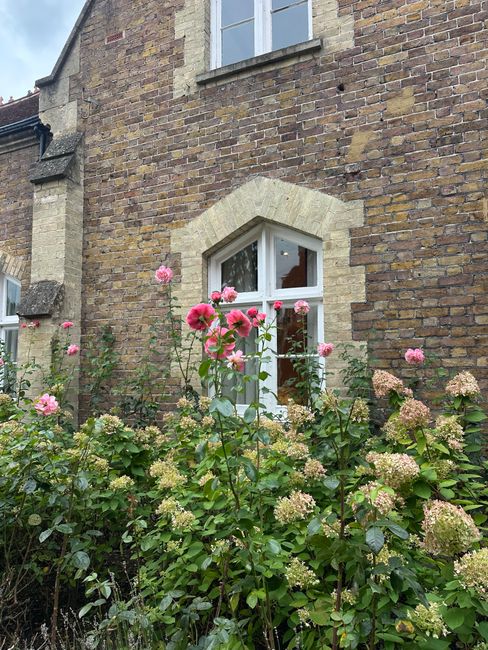
Before and after small cafe garden makeover Gipsy Hill: a practical guide to transforming a compact outdoor space
If you run a small cafe in Gipsy Hill, you already know the outdoor space can be doing a lot of heavy lifting. A few square metres outside the front or back door can shape first impressions, add extra seating, and make the whole place feel more inviting. A thoughtful before and after small cafe garden makeover Gipsy Hill project is not about turning a tiny plot into a fake countryside scene. It is about making a cramped, tired, or awkward outdoor area feel calm, usable, and worth stopping for.
That might mean clearer pathways, better planting, smarter seating, or just removing the mess that has built up over time. It can also mean making the space easier to maintain on a weekday morning, which, let's be honest, matters just as much as the pretty photos. In this guide, we'll look at what a cafe garden makeover involves, why it matters locally, how the process works, and what to watch out for if you want the transformation to last.
Think of this as a practical planning piece rather than a glossy fantasy. The best small cafe garden makeovers in South London usually come from good decisions, not big budgets.
Why Before and after small cafe garden makeover Gipsy Hill Matters
Small outdoor cafe spaces are easy to overlook because they are, well, small. But they often carry a disproportionate amount of value. In Gipsy Hill, where people notice character, detail, and a bit of charm, a neglected garden or patio can send the wrong message. A tidy, well-structured outdoor area says the business cares about the whole experience, not just the drinks menu.
The before-and-after effect is also powerful for decision-making. People often walk past a cafe, glance at the frontage, and decide in seconds whether it feels welcoming. A garden that looks overgrown, uneven, or cluttered can make the place seem closed off. A cleaner, brighter layout can make the cafe feel open, relaxed, and easy to enter.
There is another angle too: practicality. A cafe garden makeover is not only about visual improvement. It can help reduce maintenance time, improve drainage, create safer movement around tables, and make it easier to keep the space looking good every day. That is the bit people forget until they are sweeping leaves at 8 a.m. in the rain.
Key point: A strong small cafe garden makeover should make the space look better, work better, and stay manageable after the work is done.
For businesses planning a broader refresh, services like landscaping support and landscape gardening can help turn a basic outdoor corner into a defined customer space without overcomplicating the design.
How Before and after small cafe garden makeover Gipsy Hill Works
A good makeover usually starts with a simple question: what is this space supposed to do? Is it for extra seating, waiting customers, a calmer frontage, a few planters, or a proper micro-garden that softens the whole business frontage? Once that is clear, the design can be scaled to the space rather than forcing the space to fit a fashionable idea.
The process normally moves through a few practical stages. First comes a site review. That is where you look at access, sunlight, shade, wind exposure, drainage, existing surfaces, and any awkward corners. Then comes clearance. Most small cafe gardens have at least one layer of clutter, whether that is dead planting, tired pots, loose soil, broken edging, or just a lot of stuff that has accumulated over time.
After that, the layout gets simplified. In a compact setting, simplicity is your best friend. Clear lines. Easy-clean surfaces. A few strong features rather than many tiny ones. If the space includes mature shrubs or awkward overgrowth, selective pruning or hedge trimming may be needed so the garden feels open instead of boxed in.
At the end, the finishing work matters more than people think. Fresh planting, neat edges, level surfaces, consistent containers, and a maintenance plan create the before-and-after difference. Without that last part, the "after" can look a bit tired again within weeks. Happens all the time.
Typical makeover stages at a glance
- Inspect the garden and define how the cafe will use it.
- Remove waste, dead growth, and unused items.
- Improve access, layout, and the flow around seating.
- Add planting, edging, or screening where needed.
- Finish with maintenance-friendly details and a care plan.
Key Benefits and Practical Advantages
The obvious benefit is visual. A refreshed cafe garden simply looks better. But in business terms, appearance is only the start. A compact outdoor makeover can improve the whole customer journey, from the first glance outside to the time they spend sitting down with a coffee.
Here are some of the most useful advantages:
- Better curb appeal: A tidy front or rear garden makes the business feel cared for and more inviting.
- More usable space: Clever planning can make a small area feel larger than it really is.
- Improved comfort: Screening, planting, and layout changes can reduce exposure to wind or street noise.
- Easier upkeep: Maintenance-friendly materials and planting reduce day-to-day effort.
- Better customer experience: Outdoor seating feels more intentional and pleasant when the setting is well designed.
- Stronger photo appeal: A neat outdoor space often works better in listings, menus, and social media images.
There is also a less glamorous but very real benefit: staff time. If the outdoor area is easier to keep in order, someone is not spending half the morning rescuing scattered pots, re-sweeping muddy paths, or dealing with plants that should never have been planted there in the first place. To be fair, that's a win on its own.
If the makeover needs deeper groundwork, services such as garden clearance, garden maintenance, and lawn mowing can support the transition from messy to manageable.
Who This Is For and When It Makes Sense
This kind of project suits a wide range of cafe owners and hospitality operators. It is especially useful if your outdoor area feels underused, looks a bit forgotten, or is technically there but never quite earns its keep. You may not need a complete redesign. Sometimes a measured refresh is enough.
A small cafe garden makeover makes sense when:
- the outdoor space looks tired or inconsistent with the cafe interior
- customers avoid sitting outside because it feels exposed or cramped
- you want a more welcoming first impression from the street
- the space has become difficult to maintain
- you are preparing for a seasonal refresh, relaunch, or menu update
- the garden needs to support more regular use without becoming high-maintenance
It is also a sensible step if you are trying to define the identity of the business. A cafe with a calm, leafy, well-framed exterior feels different from one with a plain forecourt or a neglected back area. Same coffee, different mood. That mood matters.
Businesses with trees, dense shrubs, or overhanging growth may also need selective work from tree lopping and removal services where safety, light, or access is becoming a concern. That should always be handled carefully and only where genuinely needed.
Step-by-Step Guidance
If you want the makeover to feel intentional rather than improvised, break it into stages. That way you can make decisions in the right order and avoid spending on details before the basics are right. Easy trap to fall into, especially when you see a nice planter somewhere and think, "that'll do."
1. Start with a clear purpose
Decide what the outdoor area is supposed to achieve. Is it a place for two tables? A more private seating nook? A visually attractive frontage? A bit of all three? The answer shapes everything else.
2. Measure and assess the space honestly
Small gardens punish bad assumptions. Measure the usable area, note awkward corners, check slope and drainage, and record where the light falls during the day. A space that looks bright at 10 a.m. can feel very different by late afternoon.
3. Remove what is not helping
Dead planting, broken containers, damaged edging, and cluttered furniture all shrink the sense of space. A targeted clearance phase often creates the biggest visual change very quickly.
4. Choose a layout that supports movement
Leave enough room for staff and customers to move safely. Outdoor cafe areas need routes that are obvious and unobstructed. Narrow spaces work best when the layout is disciplined, not crowded.
5. Introduce structure before decoration
In a small setting, structure means everything: edges, levels, surfaces, and boundaries. Once those are right, plants and accessories can do their job properly. Without structure, the whole thing can look a bit wobbly.
6. Add planting that suits the microclimate
Choose planting that can cope with the actual conditions rather than the ideal ones. Windy corners, shaded walls, and reflective paving all change how plants behave. Better to have fewer strong plants than a lot of delicate ones that struggle.
7. Finish with a simple maintenance plan
The final step is the one people skip. Agree how often the space will be swept, watered, trimmed, and checked. A good after photo is lovely. A good after six months is better.
Expert Tips for Better Results
In our experience, the strongest small cafe garden makeovers are the ones that look calm, not crowded. The design should feel almost effortless, even though it usually took a fair bit of thinking. That's the trick, really.
- Use repetition carefully: repeating the same planter shape, colour, or material creates order in a compact space.
- Think vertical: if the floor area is tight, use walls, screens, and planting height to add character without clutter.
- Keep surfaces easy to clean: cafe gardens live hard lives, with spills, foot traffic, and weather. Pick materials that can handle that.
- Blend comfort and practicality: a lovely seat area is wasted if it is too exposed, too bright, or awkward to reach.
- Plan for winter as well as summer: the space should still look decent when planting is sparse and the weather is grim.
A small tip that makes a surprising difference: place one or two stronger visual focal points instead of scattering attention everywhere. A single bench, a pair of matching planters, or a neat herb bed can anchor the whole space. Too many features and it starts to feel like a garden centre display. Nobody wants that.
If you want the broader garden structure to stay in good shape, regular support from landscape gardening and garden maintenance can keep the space from slipping back into disorder.
Common Mistakes to Avoid
Most disappointing before-and-after results come from a few predictable mistakes. The good news? They are avoidable if you slow down at the start.
- Overfilling the space: too many planters, chairs, ornaments, or screens can make a small garden feel cramped.
- Ignoring drainage: waterlogging ruins paving, planting, and customer comfort very quickly.
- Choosing the wrong plants: attractive plants that struggle in shade, wind, or dry conditions become expensive dead weight.
- Forgetting access: staff still need to move through the area safely and efficiently.
- Using high-maintenance features: if you cannot realistically maintain them, they are probably the wrong choice.
- Designing only for photos: a space can look great for one afternoon and be a pain for the rest of the year.
One common issue is overdesign. People want impact, so they keep adding elements. Then the cafe garden loses its breathing room. In a compact outdoor setting, negative space is valuable. A little emptiness can be elegant. Weirdly enough, it often looks more expensive too.
Tools, Resources and Recommendations
You do not need a huge toolbox to improve a small cafe garden, but you do need the right basics. The key is choosing tools and materials that help with clean-up, shaping, and ongoing upkeep rather than only with the initial build.
Useful tools and practical items
- basic hand tools for pruning, edging, and tidying
- sturdy containers and planters with proper drainage
- pressure-friendly or easy-clean surface materials where appropriate
- weather-tolerant outdoor furniture sized for tight spaces
- simple watering equipment for regular maintenance
- debris bags, bins, and storage for keeping the area neat
For more intensive start-up work, especially where the space has become overgrown or cluttered, it may be worth using professional support for garden clearance before any design decisions are locked in. Otherwise, you can end up designing around problems that should have been removed first.
It can also help to explore the wider range of services on services overview if you are planning a broader outdoor refresh rather than a single tidy-up. And if cost planning is part of your next step, pricing and quotes is the natural place to look at how the project might be approached.
Law, Compliance, Standards and Best Practice
For cafe garden projects in London, compliance is mostly about common-sense safety, accessibility, and responsible upkeep rather than dramatic legal drama. Still, it should be taken seriously. Outdoor seating must not create trip hazards, block emergency access, or make movement awkward for customers and staff.
Best practice usually means checking surface levels, keeping routes clear, managing slippery areas, and making sure furniture and planting do not intrude into circulation space. If there are steps, changes in level, or narrow passages, these should be reviewed carefully. In a hospitality setting, that matters more than it might in a private garden.
If your makeover includes lighting, water features, heavier structures, or work near trees, it is sensible to think about risk management from the outset. The same goes for contractor safety, debris removal, and the handling of waste. A professional team should be transparent about how they work. Pages such as health and safety policy and insurance and safety are useful indicators of that approach.
Recycling and responsible disposal are also part of best practice. Green waste, broken materials, and old fixtures should be separated and handled properly where possible. That is not just neat; it is the decent thing to do. If sustainability is important to your business identity, recycling and sustainability is worth a look.
For businesses with formal site rules, service expectations, or contract clarity to manage, it is wise to check terms and conditions as part of the planning process. Nothing thrilling there, admittedly, but it helps avoid misunderstandings.
Options, Methods and Comparison Table
Not every cafe garden needs the same solution. Some need a deep reset. Others just need a tidy framework and better planting. The right method depends on the current condition of the space, the budget, and how much use the area gets.
| Approach | Best for | Typical strengths | Trade-offs |
|---|---|---|---|
| Light refresh | Mostly tidy spaces that need polish | Quick, lower disruption, cost-conscious | Limited impact if the layout is poor |
| Targeted makeover | Small gardens with mixed issues | Good balance of improvement and practicality | Needs clearer planning |
| Full redesign | Spaces with poor layout, drainage, or heavy overgrowth | Strong transformation, more usable result | More time, more coordination, higher cost |
A light refresh can work beautifully if the bones of the space are already sound. But if the outdoor area has become awkward, patchy, or simply embarrassing to look at, a more thorough approach usually pays off. The honest answer is often somewhere in the middle.
If there is structural timber or hard landscaping involved, you may also need to think about decking services as part of the final layout. Decking can be practical and attractive, but only if it suits the footprint and does not create maintenance headaches later.
Case Study or Real-World Example
Here is a realistic example based on the kind of project cafes often request. A small cafe in Gipsy Hill had a back garden used mainly for storage, with a few tired pots, patchy paving, and some overgrown shrubs that made the space feel tighter than it really was. Customers could not really tell whether the area was for seating, staff use, or nothing much at all.
The first stage was simple clearance. Unused items were removed, the planting was cut back, and the path edges were made visible again. That alone changed the feel of the space. Suddenly, the garden looked like a proper part of the cafe rather than a forgotten leftover.
Next came a smaller, more disciplined layout. Rather than trying to squeeze in too much, the space was organised around one seating zone, a small set of containers, and a clear route for staff. The planting was chosen to tolerate shade and irregular watering, because cafes are busy places and life is not always neat.
The before-and-after difference was not dramatic in a flashy way. It was better than that. It felt believable, calm, and easy to use. Customers were more likely to sit outside because it looked comfortable, and the staff found it easier to keep tidy. That is the kind of result that tends to last.
If you are planning something similar and want a more guided approach, the team information on about us can help you understand the working style behind the service, while contact us is the right place to start a conversation when you are ready.
Practical Checklist
Use this checklist before you begin. It keeps the project grounded and stops little problems becoming expensive ones.
- Confirm the main purpose of the cafe garden.
- Measure the space properly, including awkward corners and access routes.
- Remove clutter, dead plants, and broken materials first.
- Check drainage, slope, and likely wet spots.
- Choose a layout that leaves enough room to move safely.
- Pick maintenance-friendly planting and materials.
- Decide where seating, screening, and focal points should go.
- Plan waste removal and recycling.
- Think about year-round appearance, not just summer.
- Set a maintenance routine so the after stays looking like the after.
Practical summary: if the space is small, keep the design disciplined; if it is awkward, clear it first; if it will be used daily, make maintenance part of the design, not an afterthought.
Conclusion
A small cafe garden makeover in Gipsy Hill is not really about chasing a dramatic transformation. It is about making a modest space feel inviting, functional, and worth returning to. The before-and-after difference comes from good layout, honest clearing, smart planting, and a clear eye for what the business actually needs.
Done well, the space will look better on day one and still feel manageable months later. That is the real goal. Not perfection. Just a space that works, welcomes people, and quietly improves the mood of the whole cafe. And sometimes, truth be told, that little patch outside makes a bigger difference than the menu board ever will.
Get a free quote today and see how much you can save.
Frequently Asked Questions
What is a small cafe garden makeover?
It is a planned improvement to a compact outdoor cafe space, usually involving clearing, layout changes, planting, seating, and finishes that make the area more attractive and practical.
Why is the before-and-after effect important for cafes?
Because customers notice the outdoor space immediately. A strong before-and-after change can improve first impressions, encourage people to sit outside, and make the business feel more cared for.
How long does a small cafe garden makeover usually take?
It depends on the condition of the space and the amount of work needed. A light refresh can be fairly quick, while a deeper redesign takes longer because clearance, surface work, and planting all need time.
Do I need full landscaping for a small cafe garden?
Not always. Some spaces only need targeted improvements. Others benefit from broader landscaping or landscape gardening support if the layout is weak or the area has become difficult to use.
What should be removed first in a cafe garden makeover?
Start with clutter, dead growth, broken pots, damaged edging, and anything that blocks movement or makes the space feel smaller than it is.
What are the best plants for a small cafe garden?
The best plants are the ones that suit the actual conditions, such as shade, wind, or limited watering. It is usually wiser to choose resilient planting than to chase a look that will not last.
How can I make a tiny outdoor area feel bigger?
Use a simple layout, limit visual clutter, keep routes open, and avoid overcrowding the space with too many features. A clear, disciplined design often feels larger than a busy one.
Is decking a good idea for a cafe garden?
It can be, if the footprint and maintenance plan make sense. Decking services may help create a warmer, more defined seating zone, but only where it is practical.
What maintenance does a cafe garden need after the makeover?
Regular sweeping, watering, pruning, and checking for trip hazards or dead growth. A good maintenance routine keeps the space looking intentional rather than slowly neglected.
Are there safety issues to consider in a cafe garden?
Yes. Outdoor areas need clear paths, stable surfaces, sensible furniture placement, and proper attention to slips, trips, and access. Safety should be part of the design from the start.
How do I keep costs under control?
Be clear about priorities, reuse what still works, and focus on the changes that improve both appearance and usability. Starting with garden clearance can prevent wasted spending on top of unresolved problems.
Where should I start if I want help with my cafe garden?
A good first step is to define what you want the space to do, then ask for a site review and a realistic plan. If you are ready to talk through the details, contact us is the simplest starting point.