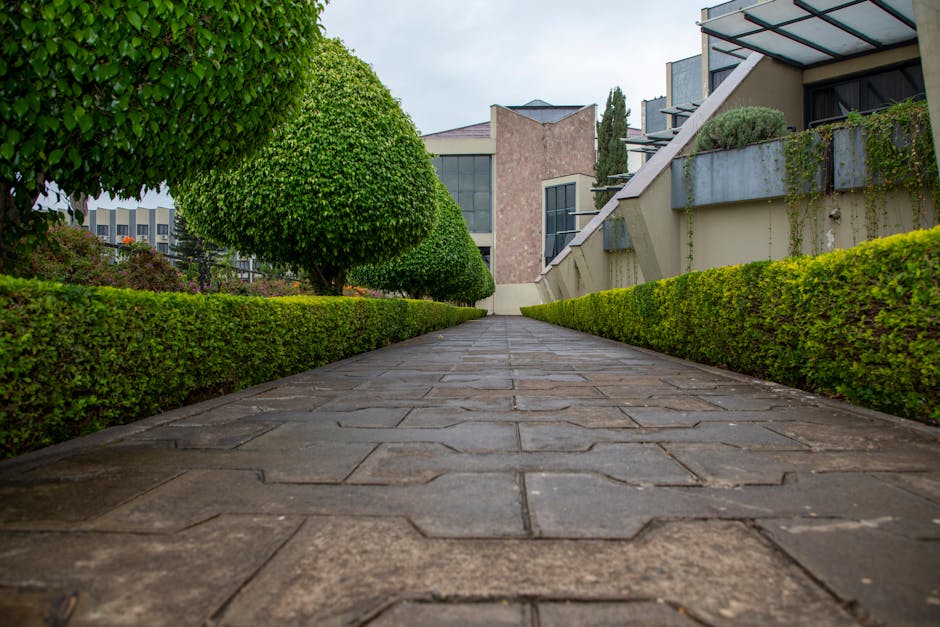
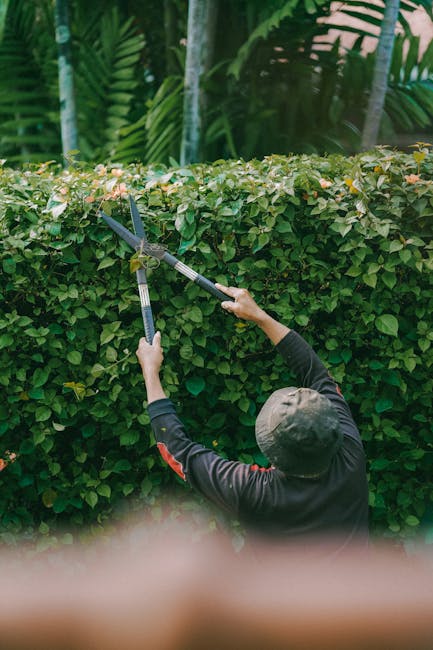
Hedge trimming gardeners for Central Hill terraces
If you live in a Central Hill terrace, you already know how quickly a hedge can go from tidy boundary to awkward green wall. One week it looks crisp; a few weeks later it is brushing the path, blocking light, and making the whole front or rear space feel smaller than it really is. That is where hedge trimming gardeners for Central Hill terraces make a real difference. Not just by cutting back growth, but by shaping hedges so they suit the narrow access, close neighbours, mixed-height gardens, and everyday rhythm of terrace life.
In a terraced street, hedge care is rarely just about looks. It affects light, privacy, safety, access, and even how relaxed you feel when you step outside with a mug of tea on a damp London morning. This guide walks through what hedge trimming involves, why it matters for Central Hill homes, how the work is usually done, and what to look for if you are deciding whether to handle it yourself or bring in a local gardener.
For readers planning broader garden maintenance as well, it can help to look at related services such as garden maintenance services and lawn care support, especially if the hedge is only one part of a garden that needs a proper seasonal reset.
Table of Contents
- Why Hedge trimming gardeners for Central Hill terraces Matters
- How Hedge trimming gardeners for Central Hill terraces Works
- Key Benefits and Practical Advantages
- Who This Is For and When It Makes Sense
- Step-by-Step Guidance
- Expert Tips for Better Results
- Common Mistakes to Avoid
- Tools, Resources and Recommendations
- Law, Compliance, Standards, or Best Practice
- Options, Methods, or Comparison Table
- Case Study or Real-World Example
- Practical Checklist
- Conclusion
- Frequently Asked Questions
Why Hedge trimming gardeners for Central Hill terraces Matters
Terraced properties have their own rhythm. Gardens are often narrow, fences sit close to windows, and shared boundaries can be just a few steps from the back door. Because of that, hedge trimming is not a cosmetic extra. It is part of keeping a terrace manageable, attractive, and neighbour-friendly.
A hedge that is left too long can quickly cause a few practical headaches:
- it steals light from ground-floor rooms and small patios;
- it pushes into paths, bins, and side access routes;
- it becomes heavier and harder to bring back into shape;
- it may spread unevenly across a shared boundary;
- it can start to look scruffy even when the rest of the garden is fine.
On Central Hill terraces, where many gardens are compact and visibility matters, even a modest hedge can dominate the feel of the space. Trim it well, though, and the whole garden changes. The light feels better. The edges look sharper. The space seems calmer. It sounds simple, but honestly, that is often what people are chasing.
There is also a neighbour-relations angle that gets overlooked. A hedge that creeps across the line or sheds clippings onto the wrong side can create tension. Good gardeners understand this and work carefully, not aggressively. They aim for a clean finish that respects the shape of the garden and the people next door.
Practical takeaway: hedge trimming is not just about cutting back growth. For terrace gardens, it is about preserving light, access, privacy, and a tidy boundary that still feels soft and living.
How Hedge trimming gardeners for Central Hill terraces Works
Professional hedge trimming usually starts with a quick assessment, not the blades. A good gardener looks at the hedge type, growth rate, height, width, access points, nesting season concerns, and whether the hedge has been maintained regularly or left to run wild for a while. That first look matters because not every hedge should be cut in the same way.
In a terrace setting, the process often includes some combination of the following:
- Inspection and shaping plan - checking the hedge's structure and deciding how much can be trimmed without exposing bare stems.
- Safety and access preparation - clearing the area, covering delicate plants if needed, and making sure ladders or tools can be used safely in tight spaces.
- Cutting back overgrowth - trimming the outer growth to improve shape, reduce bulk, and encourage denser regrowth.
- Fine shaping - adjusting the sides and top so the hedge looks balanced, not hacked or lopsided.
- Clear-up - removing all clippings, sweeping paths, and checking for missed areas or damaged branches.
With terrace gardens, the real skill is control. Anyone can take a hedge down with a machine. A better gardener knows how to do just enough, then stop. That restraint is what creates a tidy line without leaving a hedge thin, stressed, or patchy.
There are also different approaches depending on season and hedge species. A formal laurel hedge, for example, is not treated the same way as a softer mixed hedge or a conifer screen. Some hedges respond best to lighter, more regular cuts. Others can take firmer shaping. If you are unsure, a local gardener should explain the approach in plain English rather than tossing around jargon and hoping for the best.
If the hedge sits alongside a larger boundary or part of a shared outdoor layout, it may also make sense to review hedge cutting options and broader tree and hedge services so the whole boundary is managed consistently.
Key Benefits and Practical Advantages
There is a reason people keep coming back to regular hedge trimming rather than waiting until the problem is obvious. The benefits build quietly, then all at once the garden just feels easier to live with.
1. Better light and space
Terrace gardens can feel enclosed pretty quickly. A neatly reduced hedge helps sunlight reach patios, windows, and planting beds. That is especially valuable on smaller plots where a few extra inches of light really change the feel of the space.
2. Improved kerb appeal
Whether you are planning to stay put or thinking about resale, a smart hedge lifts the whole frontage. It gives the property a more cared-for look. To be fair, visitors notice this before they notice the compost bin or the slightly wonky fence panel.
3. Healthier hedge growth
Regular, skilled trimming can encourage denser growth and reduce the chance of a hedge becoming leggy at the base. That is much easier to maintain than trying to rescue an overgrown screen later.
4. Less neighbour friction
Cutting back a hedge before it becomes a boundary issue avoids those awkward conversations over shared access or encroaching branches. A neat edge often prevents a bigger issue later. Simple, really.
5. Safer paths and access
Overhanging hedges can make paths feel tight and can brush against shoulders, bags, or prams. In terrace settings, where side access is often narrow, this is more than just a small nuisance.
Useful insight: regular trimming is usually less stressful for the hedge and less expensive in labour terms than a full restorative cut. Letting growth get out of hand tends to cost more in time, effort, and tidy-up. That part is rarely glamorous, but it is true.
Who This Is For and When It Makes Sense
Not every terrace garden needs professional hedge work every time. Some people are perfectly happy with light maintenance and a hand shear on a calm Saturday morning. Others, especially in tighter London plots, will benefit more from a gardener with proper hedge trimming experience.
This service makes sense if:
- your hedge has become too tall, too wide, or uneven;
- you have limited access and need careful, tidy work;
- the hedge sits close to a path, wall, window, or shared boundary;
- you want the whole garden to feel brighter and better balanced;
- you do not have the tools, time, or confidence to do the job safely;
- you want regular upkeep rather than a one-off rescue mission.
It is especially useful for older terraced homes where gardens have mature planting and slightly irregular boundaries. Those spaces often need judgement more than brute force. A hedge can be technically cut, sure, but does it look good from the kitchen window? That is the real question.
If your terrace garden is part of a broader seasonal tidy-up, you might also look into seasonal garden clearance or boundary garden work so the hedge trim fits the bigger picture.
Step-by-Step Guidance
If you want to understand what a good hedge trimming visit should look like, this step-by-step outline helps. It is useful whether you plan to hire someone or do a smaller job yourself.
- Look at the hedge honestly. Check where the growth is heavy, where it is thin, and whether the hedge has become top-heavy. Stand back a little. It is surprising how different it looks from three metres away.
- Identify the hedge type. Some hedges tolerate hard trimming better than others. If you are not sure, get advice before cutting heavily.
- Decide the shape. Most hedges look best when slightly wider at the base and narrower at the top, so lower branches still receive light.
- Clear the work area. Move pots, furniture, hose reels, and anything fragile. Clippings in a narrow terrace can spread everywhere, somehow, even when you think they will not.
- Trim in stages. Start by taking off the obvious excess, then refine the line. Do not rush the first pass.
- Check symmetry. Step back often. A hedge can look even at arm's length and lopsided from the patio.
- Clean up properly. Remove all cuttings, sweep hard surfaces, and check whether any branches have snagged on neighbouring fencing or plant ties.
- Inspect the final result. Look for missed tufts, broken stems, and areas where the hedge might need a lighter follow-up cut next time.
A small but important point: if the hedge is severely overgrown, a staged approach is often safer than trying to force a perfect result in one go. Patience usually wins. Not always thrilling, but better for the hedge.
Expert Tips for Better Results
Good hedge trimming is part technique, part timing, part restraint. That last one is the hard bit for many people. There is a temptation to keep cutting until everything looks sharp, then accidentally create a flat, lifeless shape. Easy trap.
Trim to the plant, not against it
Work with the hedge's natural form. A formal box hedge should look crisp, yes, but even then the shape needs to suit the species. A softer laurel or privet hedge benefits from cleaner lines without looking clipped to death.
Use the right time of year
Different hedge species and nesting considerations affect timing. In UK gardens, it is sensible to avoid disruptive cutting when birds may be nesting. A careful gardener will take that into account and may advise a lighter or delayed trim if needed.
Focus on the base
If the base is too narrow or shaded, the hedge can thin out and look ragged. Keep the lower part broad enough to hold growth. That one detail separates a hedge that ages well from one that slowly collapses into an awkward twiggy line.
Go for maintenance, not rescue, where possible
Smaller, regular trims usually look better than long gaps followed by drastic cutting. It is a bit like getting a haircut before it turns into a project.
Choose a dry day if you can
In damp conditions, clipping can cling to leaves and make clean-up harder. A dry, still day gives a better finish and makes it easier to assess the shape. Early morning can be nice in summer, with the sound of shears and a kettle boiling inside. Simple pleasures, really.
For ongoing upkeep, you may also want to combine hedge work with general garden services or regular maintenance plans so the garden stays manageable through the year.
Common Mistakes to Avoid
Hedge trimming looks straightforward until you have to live with the result. A few common mistakes show up again and again, especially in terrace gardens where space is tight and mistakes are hard to hide.
- Cutting too much at once. This can leave gaps, stress the hedge, and make the shape uneven.
- Making the top wider than the base. That blocks light lower down and can leave the hedge thin and weak near ground level.
- Ignoring the neighbour side. A hedge might look fine from your patio and still spill badly over the boundary.
- Using blunt tools. Ragged cuts heal less neatly and make the whole hedge look untidy.
- Forgetting the clean-up. Clippings in narrow terrace spaces are annoying fast. They stick to paving, shoes, and the underside of garden furniture.
- Trimming at the wrong time. Heavy cutting during sensitive periods can be a bad idea, depending on the hedge type and conditions.
One more thing, and it sounds obvious but matters a lot: do not assume every hedge can be "fixed" in one visit. Some need two or three careful trims over time to recover properly. Truth be told, the patient route often gives the best result.
Tools, Resources and Recommendations
The right tools make hedge work cleaner, safer, and less exhausting. For terrace properties, compact and well-maintained tools are usually better than oversized equipment you have to wrestle with in a tight corner.
Useful tools for hedge trimming
- Hand shears for detail work and light shaping.
- Hedge trimmers for longer runs and denser growth.
- Loppers for thicker, woody stems that need a cleaner cut.
- Gloves and eye protection for routine safety.
- Tarpaulin or garden sheet to catch clippings in small spaces.
- Step stool or ladder only if the ground is stable and the work really requires it.
What to ask a gardener
If you are hiring help, ask a few straightforward questions. You are not being difficult. You are being sensible.
- How do you approach different hedge types?
- Do you include full clearance of trimmings?
- Can you work around narrow access or shared boundaries?
- Will you advise if the hedge needs more than a standard trim?
- Do you offer repeat visits for seasonal maintenance?
If your garden also needs weed control, edging, or pruning, it may be worth speaking about pruning services and weed control support at the same time. Combining jobs often makes the garden feel finished rather than partly done.
Law, Compliance, Standards, or Best Practice
For hedge trimming in a residential terrace, the key point is less about dramatic legal language and more about responsible practice. In the UK, good gardeners generally work with care around boundary issues, wildlife, access, and neighbour consideration. If a hedge sits on or near a shared boundary, it is sensible to be clear about ownership and consent before any substantial work is carried out.
Two practical best-practice points stand out.
First, be careful around nesting birds. Many gardeners avoid heavy cutting if nesting activity is suspected. That is common-sense practice and a sign of a careful operator. If there is any doubt, a conservative approach is usually better than a rushed one.
Second, manage waste properly. Clippings should be removed or composted appropriately, not dumped into a neighbour's space or left to block drains and paths. In a compact terrace, this sounds minor until you are the one stepping over it every morning.
There may also be local expectations about access, overhanging growth, and neighbour relations. A professional gardener should not overstate what is allowed or pretend every boundary is simple. Good practice usually means clear communication, tidy work, and a cautious approach when the situation is ambiguous.
Options, Methods, or Comparison Table
Choosing the right approach depends on hedge size, access, and how polished you want the result to look. The table below gives a simple comparison.
| Method | Best for | Pros | Limitations |
|---|---|---|---|
| Hand trimming | Small hedges, detailed shaping, delicate areas | Very precise, quieter, better for fine work | Slower on larger hedges, more labour-intensive |
| Powered hedge trimming | Medium to larger hedges, regular maintenance | Fast, efficient, good for repeat visits | Can remove too much if not handled carefully |
| Restorative reduction | Overgrown or neglected hedges | Brings structure back over time | May need staged visits; not ideal for a perfect instant finish |
| Ongoing maintenance plan | Busy homeowners, rental properties, neat terrace gardens | Prevents heavy regrowth, easier to budget and schedule | Needs commitment to regular visits |
For many Central Hill terrace gardens, the best option is not the most aggressive one. It is the one that keeps the hedge healthy, tidy, and manageable without creating more work later.
Case Study or Real-World Example
A typical Central Hill terrace garden might have a laurel hedge running along the rear boundary, with limited side access and a patio that catches morning light. Over a year or two, the hedge starts to bulge outward and the lower branches become shaded. From inside the kitchen, it now feels darker than it used to. The path also feels tighter when carrying recycling bins out. Familiar story, that.
A gardener arrives, checks the hedge line, and decides not to cut everything back in one hit. Instead, they trim the sides to restore a cleaner profile, reduce the top carefully, and open the lower section enough to improve light without exposing bare patches. They remove all clippings, sweep the patio, and flag that the hedge will benefit from lighter follow-up trimming later in the season.
The result is not dramatic in the flashy sense. It is better than that. The garden feels easier. The boundary looks intentional again. The terrace seems a little bigger, which, in a small outdoor space, is worth its weight in gold. A small change, but a proper one.
Practical Checklist
Use this checklist before booking hedge work or starting it yourself.
- Check whether the hedge is on your side of the boundary or shared.
- Confirm the hedge type if you are unsure how hard it can be cut.
- Look for nesting birds or active wildlife before trimming.
- Clear furniture, pots, and delicate plants from the work area.
- Decide whether you want a light tidy, shaping, or a fuller reduction.
- Make sure access is safe for tools and any ladders.
- Ask whether clippings will be removed.
- Consider combining the visit with other garden maintenance tasks.
- Plan follow-up trims rather than leaving the hedge to run wild again.
- Inspect the final shape from both inside and outside the garden.
Quick summary: the best hedge trimming outcome is neat, balanced, and sustainable. It should suit the terrace, not fight it.
Conclusion
For Central Hill terraces, hedge trimming is one of those jobs that quietly changes everything. It improves the feel of the garden, keeps boundaries under control, and makes a compact outdoor space feel lighter and more usable. Done well, it is not just maintenance. It is part of making the home feel looked after.
The key is to choose the right approach for the hedge, the season, and the shape of the terrace. Light regular care often beats dramatic intervention. A calm, careful gardener will usually give you a better result than someone who just blasts through the job and leaves a mess behind. That is the honest truth of it.
If your hedge has been on the "I'll deal with that next weekend" list for a bit too long, now is a sensible time to get it sorted. A better boundary, more light, and less hassle. Not a bad trade, really.
Get a free quote today and see how much you can save.
Frequently Asked Questions
How often should a terrace hedge be trimmed?
It depends on the hedge type and how quickly it grows, but many terrace hedges benefit from regular maintenance rather than occasional heavy cuts. Fast-growing hedges may need more frequent shaping, while slower-growing varieties can usually be managed less often.
Is hedge trimming different for terraced gardens in Central Hill?
Yes, mainly because access, boundary lines, and light levels matter more in compact spaces. A terrace hedge often needs a more careful shape so it does not overwhelm the garden or affect neighbouring properties.
Can a gardener trim an overgrown hedge in one visit?
Sometimes, but not always safely or neatly. Very overgrown hedges may need staged work so the plant is not shocked and the final result still looks balanced. A good gardener will explain what is realistic.
What is the best time of year to trim hedges?
That depends on the hedge species and what is happening in the garden. In UK gardens, timing should also take account of nesting birds. If in doubt, ask a gardener to assess the hedge before scheduling a heavy trim.
Do hedge trimmers work better than hand shears?
Powered trimmers are faster for larger jobs, while hand shears offer finer control for shaping and detail work. In small terrace gardens, the best choice often depends on the hedge size and how precise the finish needs to be.
Will trimming make my hedge look thinner?
If it is cut too hard, yes, especially if it has been neglected. Proper trimming should improve density over time by encouraging healthier growth. That is why careful technique matters so much.
Do I need permission to trim a hedge on a shared boundary?
Boundary situations can be sensitive, so it is wise to confirm ownership and agree on any substantial work before going ahead. If there is uncertainty, a careful conversation beforehand is better than dealing with a dispute afterwards.
What should I ask before hiring hedge trimming gardeners?
Ask about hedge type experience, cleanup, access challenges, timing, and whether they handle more than a quick cut. If they can talk through the hedge in plain language, that is usually a good sign.
How much hedge trimming is too much?
If more than about one-third of the hedge would be removed in a single go, that may be too severe for some species and situations. A professional should judge this based on the hedge's health and shape, not guesswork.
Can hedge trimming be combined with other garden jobs?
Absolutely. In fact, it often works better that way. Many terrace gardens benefit from hedge trimming alongside pruning, weeding, lawn care, or a broader tidy-up so the whole space feels finished.
What happens to the clippings after the job?
A proper gardener should remove or manage them responsibly as part of the service. In a terrace setting, leaving clippings behind is not just untidy; it can block paths and create extra work for you.
How do I know if my hedge needs a full reduction instead of a trim?
If the hedge is too wide, too tall, or blocking light badly, a reduction may be more appropriate than a simple tidy. A good gardener will look at the structure and explain whether the hedge can be restored gradually.